
Smart CCTV Installation In Lagos is becoming a priority for businesses, estates, schools, warehouses, and industrial facilities looking to improve security and operational visibility. Modern organisations no longer want surveillance systems that simply record events. They want intelligent systems capable of delivering real-time alerts, remote monitoring, video analytics, and integration with other security technologies. Understanding what happens before, during, and after deployment helps businesses make informed decisions and achieve better long-term value from their investment.
For many businesses in Lagos, installing CCTV is no longer simply a compliance exercise or a reaction to security incidents. It has become an important part of business continuity, risk management, and operational efficiency.
So what should you expect when investing in a modern surveillance solution?
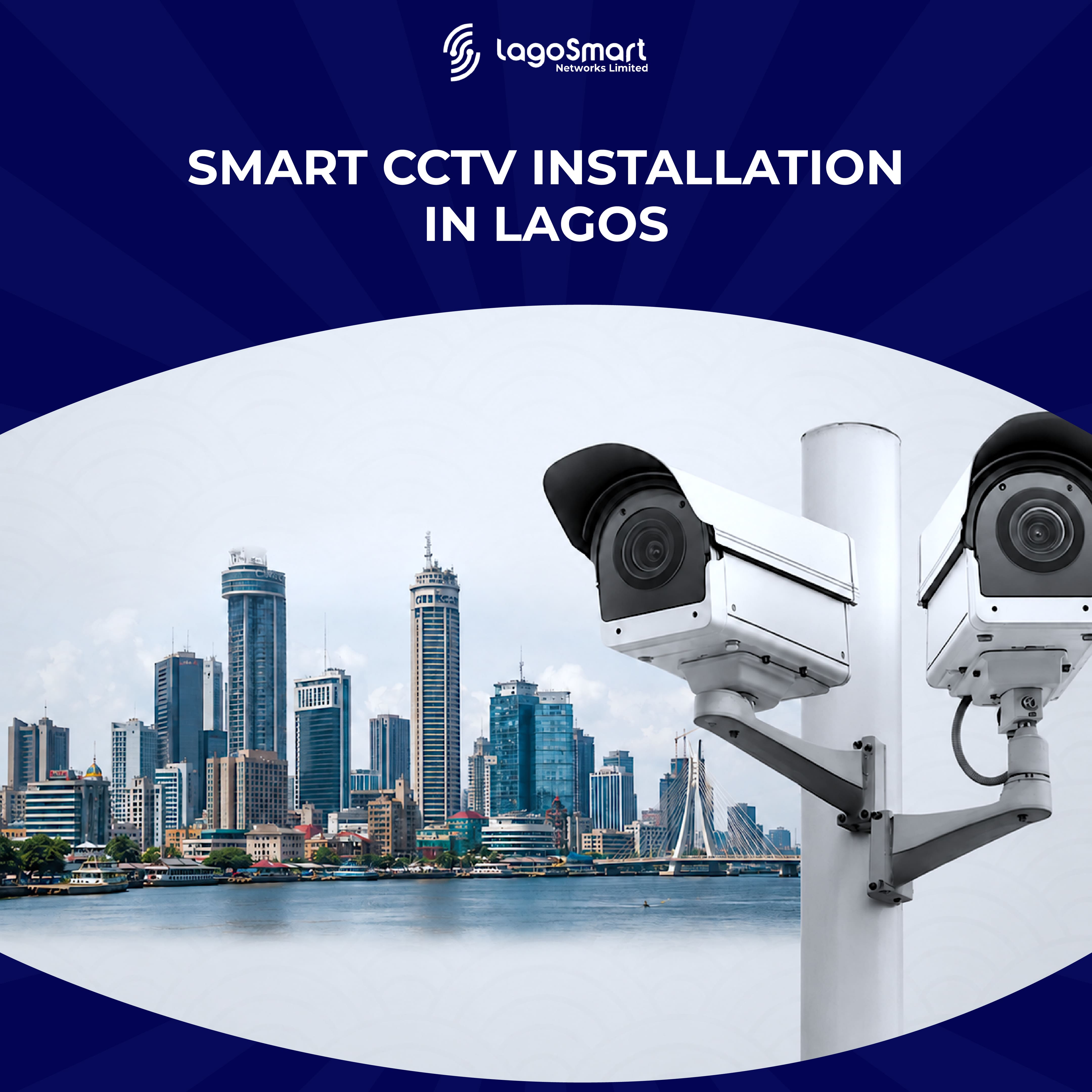
Smart CCTV Installation In Lagos Starts With a Site Assessment
One of the biggest mistakes organizations make is choosing cameras before understanding their actual security requirements. Professional installers begin with a detailed site assessment designed to identify vulnerabilities, operational challenges, and surveillance objectives.
During this process, security engineers typically evaluate:
- Entry and exit points
- Perimeter areas
- Existing network infrastructure
- Lighting conditions
- High-risk locations
- Storage requirements
- Internet connectivity
- Power availability
The purpose of the assessment is not simply to determine how many cameras are required. The goal is to determine where cameras will provide the greatest security value.
A manufacturing facility in Ikeja will have different requirements from a retail outlet in Lekki or a corporate office in Victoria Island.
Every environment requires a different surveillance strategy.
Why Smart CCTV Installation In Lagos Focuses on Camera Placement
Many businesses assume that installing more cameras automatically creates better security coverage. In reality, camera placement often matters more than the total number of devices installed.
Strategic positioning ensures that critical activities are captured clearly while reducing blind spots and unnecessary duplication.
Areas that usually require priority coverage include:
- Main entrances
- Reception areas
- Parking lots
- Loading bays
- Server rooms
- Cash handling areas
- Emergency exits
- Perimeter fencing
The objective is not to monitor every square metre of a facility. The objective is to capture actionable information when incidents occur.
Proper camera placement also reduces storage requirements and improves the efficiency of investigations.
Expect a Shift Towards AI Surveillance
Traditional CCTV systems simply recorded footage for later review.
Modern surveillance systems analyse footage as events happen.
Artificial intelligence has transformed CCTV from a passive monitoring tool into an active security solution capable of identifying threats in real time.
AI-powered cameras can detect:
- Intrusion attempts
- Loitering
- Perimeter breaches
- Unusual movement patterns
- Crowd formation
- Restricted area access
Video analytics can also reduce false alarms caused by shadows, weather conditions, or environmental movement.
For organisations with limited security personnel, this allows faster response times and better situational awareness.
Instead of reviewing hours of footage after an incident occurs, security teams can receive alerts while the event is still taking place.
Smart CCTV Installation In Lagos Often Requires Network Planning
Modern surveillance systems depend heavily on network performance.
As a result, CCTV deployment projects frequently involve both security teams and IT departments.
Several technical factors need to be considered:
- Available bandwidth
- Network switches
- Internet redundancy
- Cybersecurity controls
- Storage architecture
- Cloud backup options
High-definition cameras generate significant amounts of data, particularly in environments with dozens or hundreds of devices.
Without proper network planning, organisations may experience poor video quality, delayed playback, or unreliable remote access.
Professional installers evaluate existing infrastructure and recommend upgrades where necessary to ensure long-term system stability.
Smart CCTV Installation In Lagos Includes Remote Monitoring
Business owners increasingly expect visibility into operations regardless of their physical location.
Remote monitoring allows authorised users to access live and recorded footage from smartphones, tablets, and desktop applications.
This capability offers several advantages:
- Faster incident response
- Centralised management of multiple sites
- Reduced travel requirements
- Improved operational oversight
- Greater executive visibility
For businesses operating multiple branches across Lagos or Nigeria, remote access can significantly improve security management while reducing operational costs.
What was once considered a premium feature has now become an industry standard.
Smart CCTV Installation In Lagos Works Better with Integrated Security Systems
The future of physical security lies in integration.
Many organisations are moving away from standalone surveillance systems and towards connected security ecosystems.
Modern CCTV deployments can integrate with:
- Access control systems
- Visitor management platforms
- Biometric readers
- Alarm systems
- Intercom systems
- ANPR solutions
- Central monitoring platforms
For example, if an unauthorised access attempt occurs, the access control system can automatically trigger video recording and notify security personnel.
This creates a faster response cycle and improves incident documentation.
Integrated systems also simplify reporting and management by providing a unified security dashboard.
Installation Day Is Usually the Shortest Stage
Once planning and system design are completed, the physical installation process is often straightforward.
Technicians install cameras, configure network equipment, deploy storage systems, and complete software configuration.
The duration depends on project size and complexity.
A small office installation may be completed within a day.
A multi-building industrial facility may require several weeks.
Businesses should expect:
- Cable routing
- Equipment mounting
- Network configuration
- Testing procedures
- User account setup
- Software installation
Clear communication with staff can help minimise operational disruption during deployment.
Testing Is Just as Important as Installation
A CCTV project is not complete when the cameras are mounted.
Professional installers conduct extensive testing to ensure the entire system performs correctly.
Testing normally includes:
- Camera coverage verification
- Image quality checks
- Motion detection calibration
- Recording verification
- Alert configuration
- Remote access testing
- Backup validation
This stage ensures that businesses receive the full benefit of their investment from day one.
User Training Should Never Be Ignored
One of the most common problems with surveillance projects is underutilisation.
Many organisations use only a fraction of the features available within their systems.
Proper training helps users understand how to:
- Review footage
- Export evidence
- Configure alerts
- Manage user permissions
- Generate reports
- Access recordings remotely
Training improves adoption rates and ensures organisations maximise the value of their technology investment.
Ongoing Maintenance Protects Long-Term Performance
Security systems require ongoing support to remain effective.
Cameras become dirty, storage systems reach capacity, and software requires updates.
Without regular maintenance, organisations often discover problems only after an incident occurs.
Preventive maintenance usually includes:
- Camera cleaning
- Firmware updates
- Storage health checks
- Hardware inspections
- System performance testing
Regular servicing improves reliability and extends the lifespan of surveillance equipment.
Conclusion
Investing in a smart surveillance solution involves much more than selecting camera models or comparing prices. A successful deployment requires proper planning, strategic design, strong infrastructure, and ongoing support.
Businesses that treat surveillance as a long-term operational asset often achieve better security outcomes and stronger returns on investment. Whether the objective is protecting people, securing assets, improving visibility, or supporting investigations, a professionally designed CCTV system can become a valuable part of daily business operations.
If your organisation is considering a new CCTV deployment or upgrading an existing surveillance system, working with an experienced technology partner can make a significant difference.
Lagosmart Networks helps businesses design, deploy, and maintain intelligent surveillance solutions tailored to commercial, industrial, and residential environments across Nigeria.
Speak with the team today to schedule a site assessment and discover the right surveillance strategy for your organisation.